Insulation is one of the key components of any energy-efficient home or commercial building. With heating and cooling accounting for 50 percent of energy consumption in the typical home, good insulation saves thousands of dollars in utility bills over the lifetime of a house.
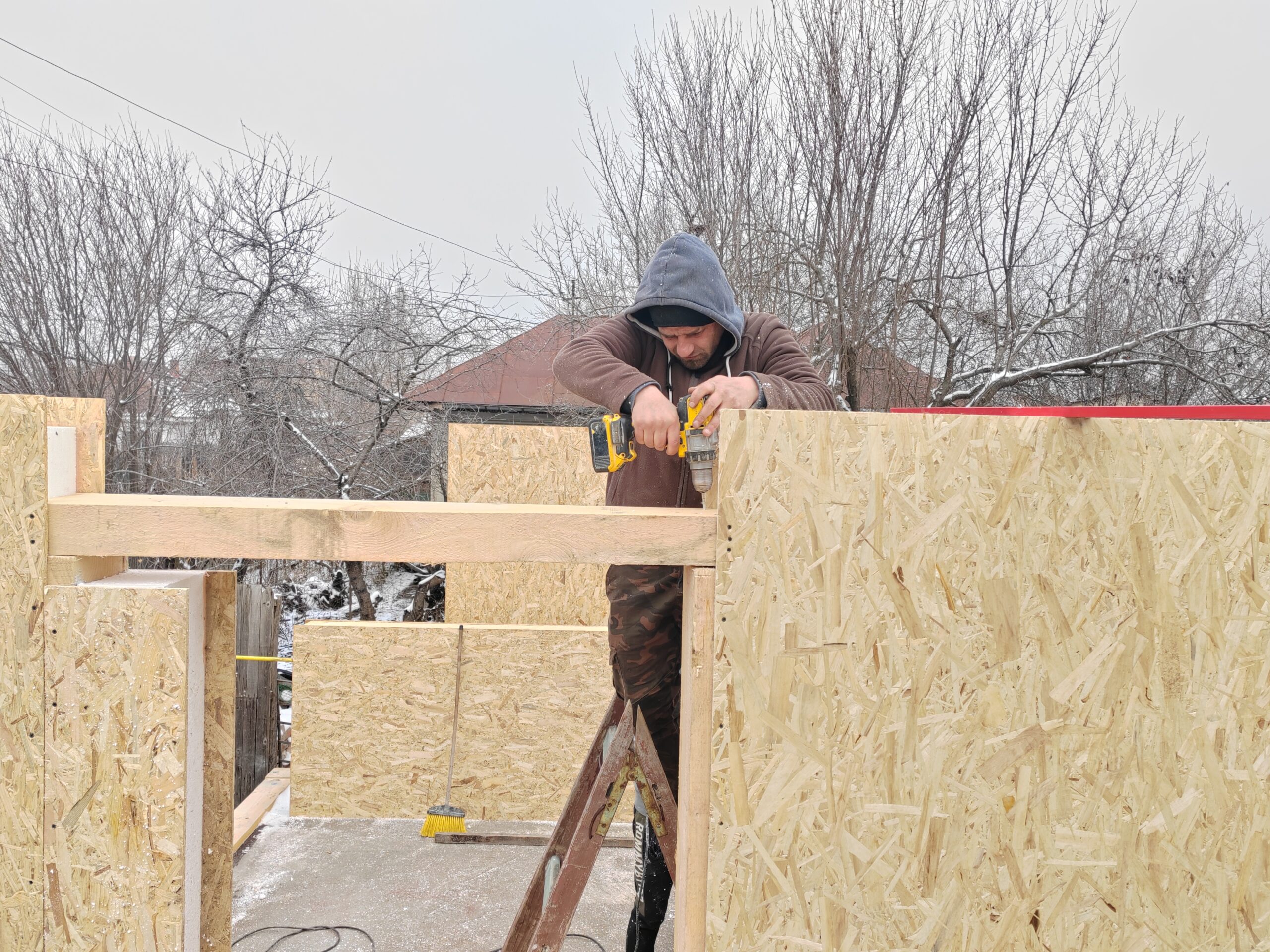
Insulation is rated by R-value, which measures a material's thermal resistance. An insulating material with a higher R-value forms a more effective thermal barrier between the outside temperature and the conditioned space inside the home. Research funded by the U.S. Department of Energy confirms that SIP walls provide more R-value than walls of the same size.

Real-World Thermal Performance
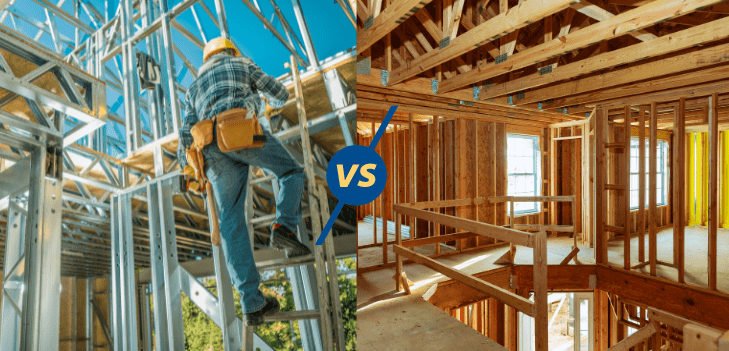
But R-value doesn't tell the whole story. The lab tests that determine R-value bear little resemblance to how insulation actually performs in a home. When we factor in real-world conditions such as thermal bridging and imperfect installation of spray foam and fiberglass, insulation in a stick-framed home can lose more than half of its rated R-value. Research has repeatedly shown that SIPs provide continuous insulation that maintains its stated R-value over the lifetime of the home and consistently outperforms fiberglass insulation.
Thermal Bridging
Thermal bridging occurs when the wood members in a structure transmit heat from the inside of a building to the outside surface. Stick-frame construction uses far more wood framing than SIP construction. These same-day photos show that SIPs help keep the heat where it belongs — inside. More frost on the SIP garage roof means fewer thermal bridges and better insulation; less frost on the traditional garage roof means poorer insulation and more thermal bridging.