In today's world, sustainability is not just a buzzword – it's a necessity. The construction industry is evolving, moving steadily toward greener, more energy-efficient building solutions. At the forefront of this transformation are Structural Insulated Panels (SIP), a proven, time-tested innovation that embodies this shift. SIPs deliver long-term energy savings, improve indoor health, and enhance structural resilience with reduced carbon emissions. In what follows, we invite you to explore the impressive sustainability profile of SIPs, backed by concrete evidence from external studies that highlight SIPs' commitment to delivering on their promises.
The Foundation: A Look at Sustainable Materials
SIPs have redefined the way we build, combining innovation with sustainability. At the heart of their remarkable energy efficiency, thermal insulation, and overall performance is the core material: Expanded Polystyrene (EPS). What sets EPS apart is its ability to deliver exceptional performance while remaining environmentally friendly.
Compared to fibreglass insulation with an equivalent R-value, producing the EPS core uses significantly less energy – 24% less, to be exact. This energy efficiency is not just theoretical; it's backed by the 2023 Environmental Product Declaration (EPD) for Expanded Polystyrene Insulation, recently released by the EPS Industry Alliance (EPS-IA). This report highlights the ecological impact of SIPs' core material and underscores a commitment to transparency in building solutions.
The EPS Industry Alliance's findings are clear:
"Expanded polystyrene (EPS) is a versatile, high-performance building material designed to deliver reliable energy efficiency through a stable, long-term R-value. EPS insulation is an ideal choice for green building design, offering numerous environmental benefits, including reduced energy consumption, recycled content, localised distribution, and improved indoor air quality."
Sustainable Material Use: SIPs and Resource Efficiency
SIPs stand out as a prime example of resource efficiency, making optimal use of EPS foam and oriented strand board (OSB) as their primary building blocks. What sets SIPs apart is their ability to do more with less, reducing energy and raw material consumption during manufacturing compared to conventional building systems.
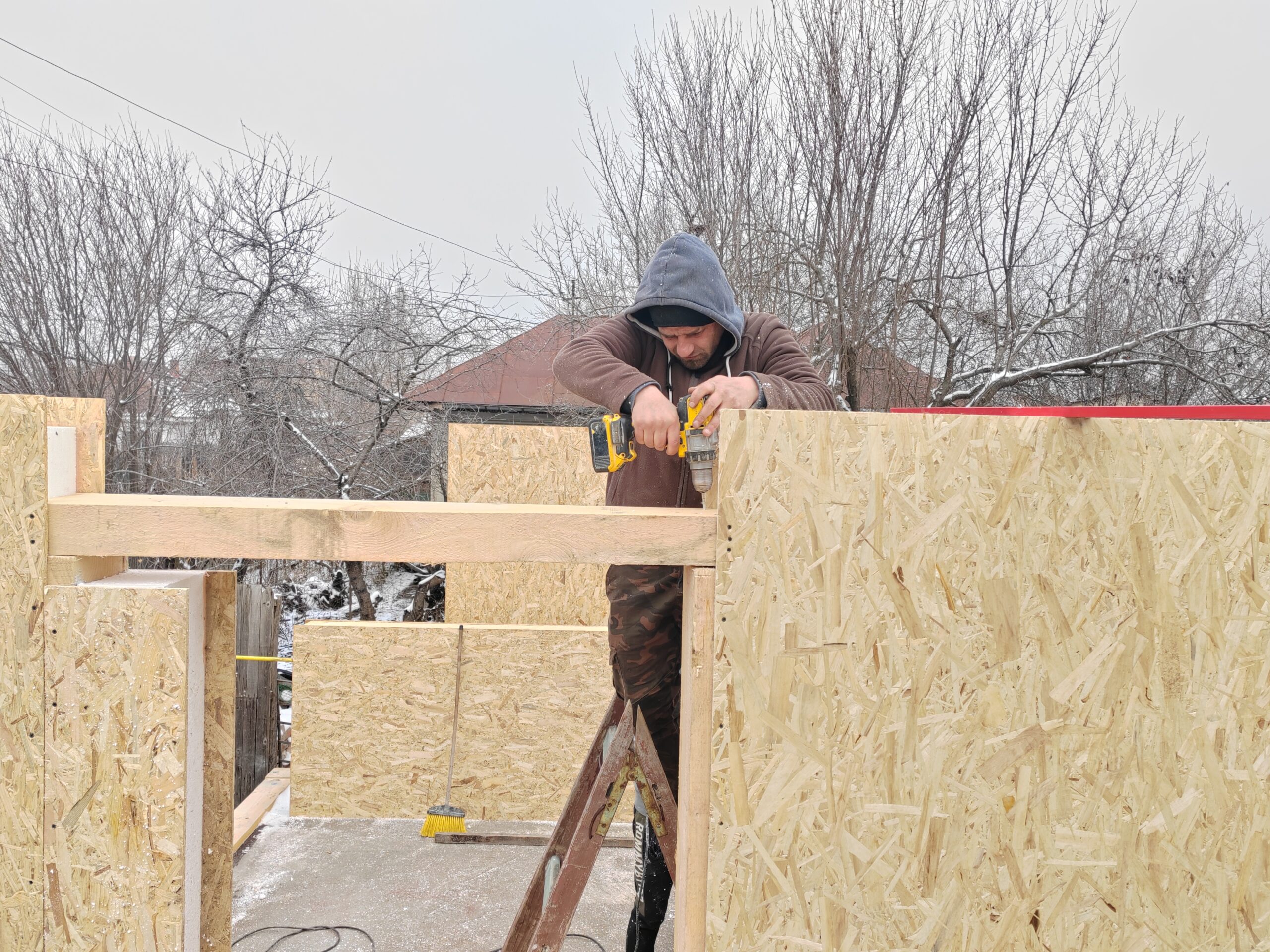
What's more, SIPs are manufactured in controlled environments, which further boosts their efficiency. This meticulous manufacturing approach ensures that every SIP meets strict quality standards while minimising material waste – a critical aspect of sustainable construction.
SIPs and Energy Efficiency: Saving Resources, Cutting Emissions
SIPs are purpose-built for exceptional energy efficiency. They create an airtight, highly insulated building envelope, setting a new standard for sustainable construction. This superior design reduces heating and cooling energy consumption, effectively lowering carbon emissions and paving the way toward a more sustainable future.
The remarkable efficiency of SIPs is backed by extensive research. Studies conducted by Oak Ridge National Laboratory show that SIPs consistently outperform traditional timber-frame walls in two key areas: thermal resistance and air tightness. These findings highlight the tangible benefits of choosing SIPs, not only in terms of energy savings but also in reducing the carbon footprint of buildings.
To learn more about this research and the thermal performance of EPS-core SIPs, we invite you to contact us.
Lifetime Benefits
Life Cycle Analysis of SIPs
"The exceptional performance of SIPs as an insulator, combined with reduced air leakage for the built environment, gives the construction industry the tools and technology needed to achieve superior thermal performance, while making a significant and restorative contribution to reducing global warming."
— EPS Industry Alliance
To further reinforce the credibility of SIPs, the environmental profile titled "Structural Insulated Panels Reduce Global Warming: The Life Cycle Benefits of SIPs", produced by the EPS Industry Alliance, highlights the remarkable environmental advantages of SIPs compared to traditional timber framing. Here's what the life cycle analysis reveals:
- Over a 50-year period, SIPs deliver average energy savings 9.9 times greater than the energy invested, compared to using traditional timber framing for a home in Romania.
- SIPs contribute to a reduction in global warming potential 13.2 times greater than the equivalent CO₂ emissions produced to manufacture the SIP.
- The energy payback period for SIPs is remarkably short, ranging from 5.1 years down to as little as 2.7 years.
- SIPs effectively offset the greenhouse gas emissions from their manufacturing in just 3.8 years when used for homes.
Get Started with SIPs
As we embrace the potential of SIPs, we embrace a future where buildings are more than just structures; they are proof of sustainable progress. SIPs don't just offer an alternative — they offer a conscious approach to construction, one that not only reduces energy consumption but also cuts waste and lowers carbon emissions. Anchored by EPS insulation, these structural insulated panels set new standards for energy efficiency and longevity, proving that sustainability is not just a concept, but a reality.
At Bucovina SIP, we're proud to be part of this construction revolution. We firmly believe that the future of construction lies in sustainable, efficient solutions, and SIPs represent a major step in that direction.
If you're interested in learning how SIPs can transform your project, our team is here to give you all the information you need. Let's build a greener, more efficient future together!
Contact us today:
- Phone: +40 750 450 896
- Email: [email protected]
- Website: www.bucovinasip.ro
Together, we can make a difference!