This detailed article examines the main types of residential construction, comparing the advantages, disadvantages, costs, thermal efficiency, durability, construction time, and applicability of each solution, helping you make an informed choice.
Introduction: An Overview of Residential Construction Types and the Importance of Choosing the Right Solution
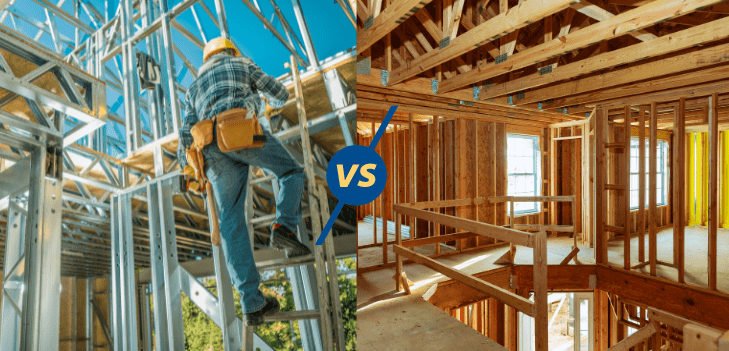
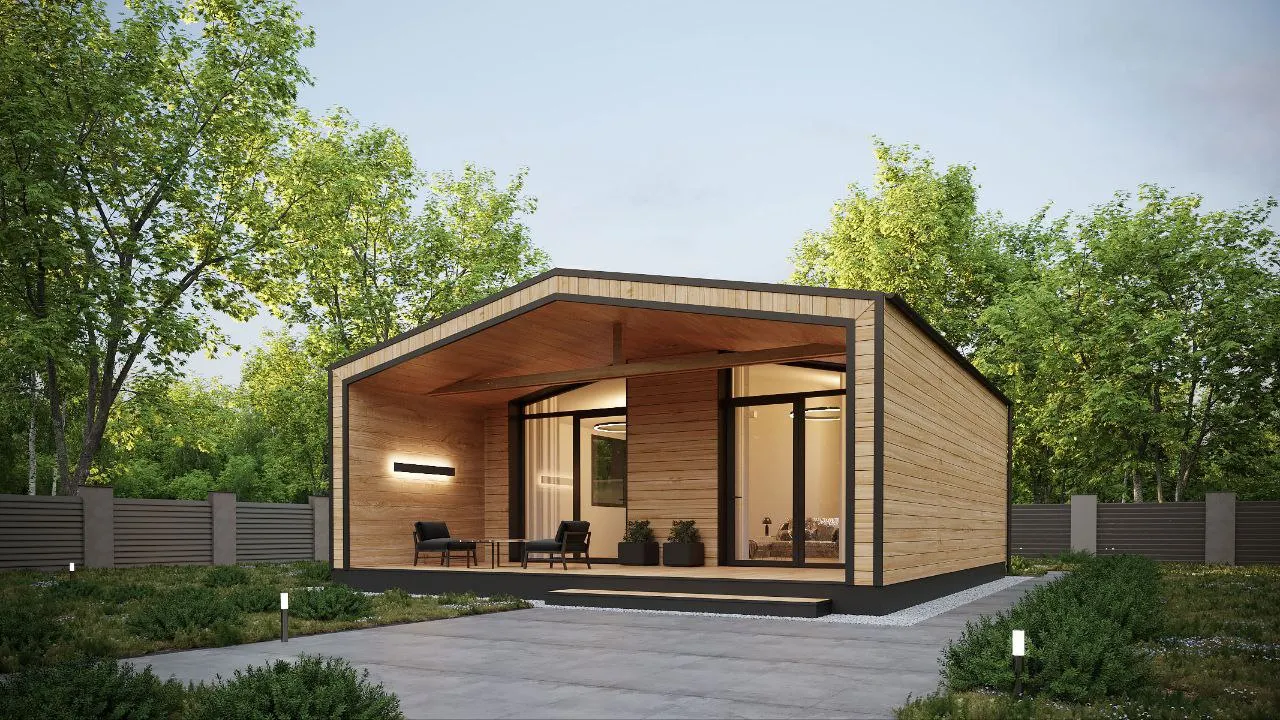
Building a house is a significant investment, and choosing the right construction solution is essential to ensure a durable, energy-efficient home tailored to your specific needs. A variety of building materials are available, each with its own advantages and disadvantages. In this article, we will explore four of the most popular solutions: SIP panel homes, metal homes, brick homes, and AAC (autoclaved aerated concrete) homes, offering a detailed comparison to help you determine which construction solution is right for you.
SIP Panel Homes: Advantages, Disadvantages, and Applicability
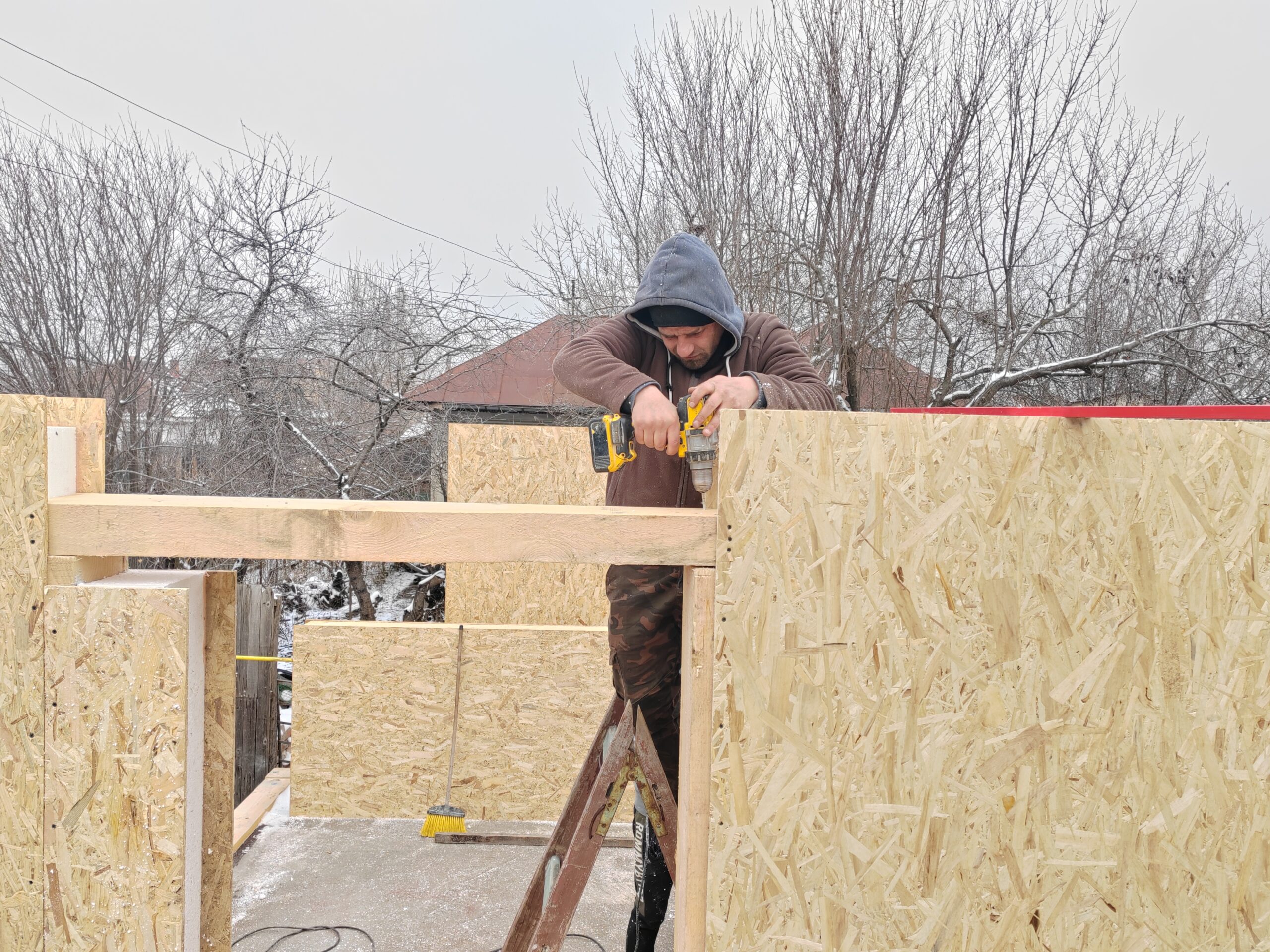
SIP (Structural Insulated Panel) homes are built from prefabricated panels that combine an insulating core with a wood or metal facing. These homes are known for their fast construction speed, excellent thermal efficiency, and competitive costs. Advantages include:
- Fast construction speed, significantly reducing build time.
- High thermal efficiency, thanks to the insulation built into the panels.
- Competitive construction costs, especially for larger areas.
- Earthquake resistance, thanks to the rigid structure of SIP panels.
However, there are also disadvantages:
- Risk of condensation if not installed correctly.
- Difficulty modifying the structure after construction is complete.
- Possible fire resistance issues, depending on the materials used.
SIP panel homes are ideal for residential construction of various sizes, especially for fast projects or areas with high thermal insulation requirements.
Metal Homes: Advantages, Disadvantages, and Applicability
Metal homes are built from lightweight steel structures covered with metal panels. These homes are known for their durability, fire and weather resistance, and construction speed. Advantages include:
- Fast construction speed, thanks to prefabricated elements.
- Fire resistance, protecting the house from accidental fires.
- Weather resistance, including against hurricanes and earthquakes.
- High durability, with a long lifespan.
Disadvantages include:
- Lower thermal efficiency compared to SIP or brick homes.
- Possible condensation issues if not properly ventilated.
- Risk of corrosion if not properly protected.
- Higher construction costs compared to AAC homes.
Metal homes are ideal for various types of construction, including residential homes, commercial buildings, and industrial structures.
Brick Homes: Advantages, Disadvantages, and Applicability
Brick homes are built from traditional brick blocks, offering a classic look and high durability. These homes are known for their fire resistance, good sound insulation, and elegant appearance. Advantages include:
- Fire resistance, offering excellent protection in case of fire.
- Good sound insulation, reducing outside noise.
- High durability, with a long lifespan.
- Classic aesthetics, giving the house an elegant look.
Disadvantages include:
- Slower construction speed compared to SIP or metal homes.
- Higher construction costs due to labor-intensive work.
- Lower thermal efficiency, requiring additional insulation.
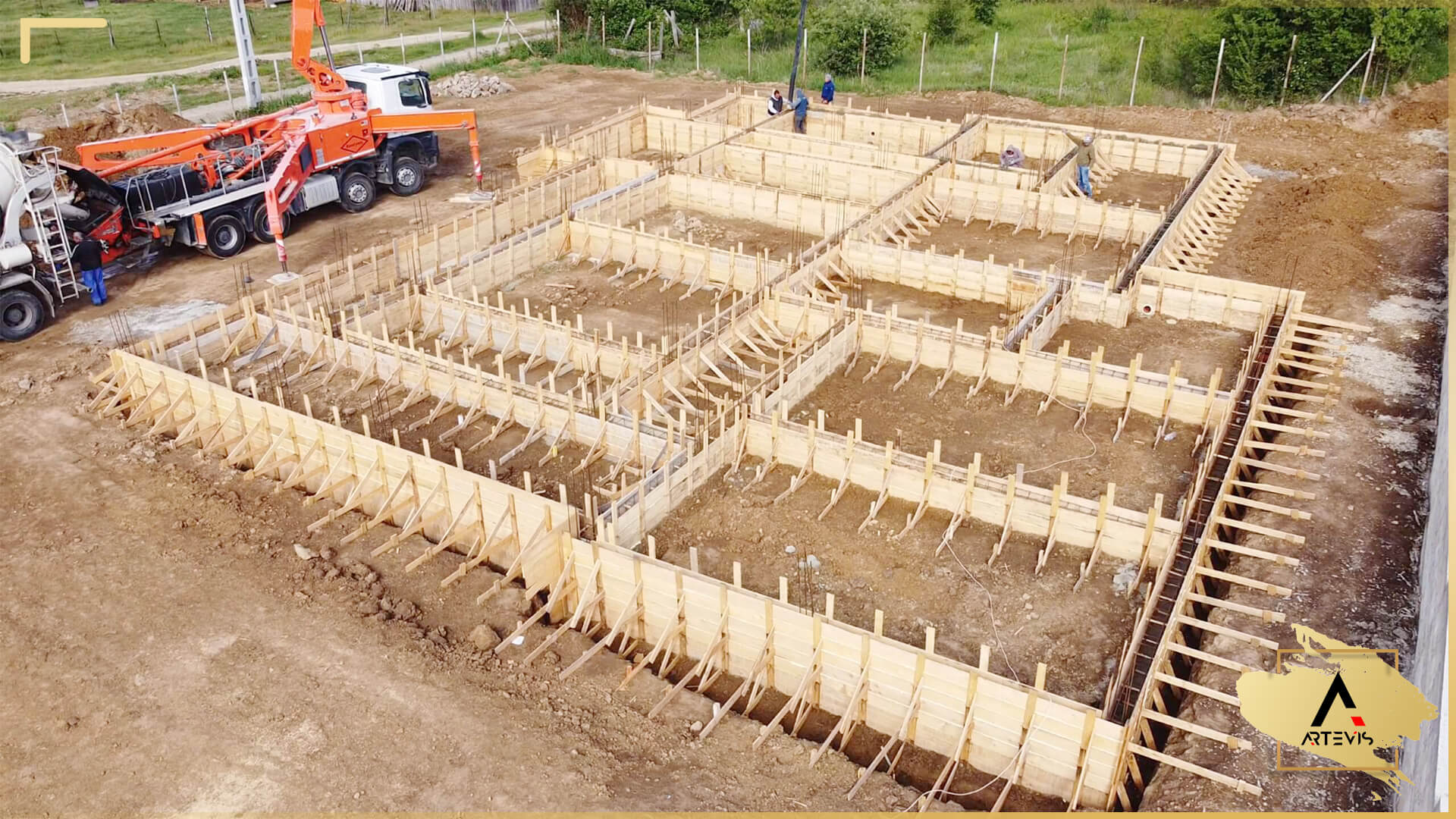
- Heavy weight, requiring a solid foundation.
Brick homes are suitable for traditional residential construction, offering a long lifespan and a classic look.
AAC Homes: Advantages, Disadvantages, and Applicability
AAC (Autoclaved Aerated Concrete) homes are built from lightweight concrete blocks with a porous cellular structure. These homes are known for their low costs, construction speed, and relatively good thermal efficiency. Advantages include:
- Lower construction costs compared to brick homes.
- Fast construction speed, thanks to lightweight, easy-to-install blocks.
- Relatively good thermal efficiency compared to metal homes.
- Good sound insulation, reducing outside noise.
Disadvantages include:
- Lower fire resistance compared to brick homes.
- Lower durability compared to brick homes.
- Risk of cracking if not installed correctly.
- Requires a robust foundation due to greater weight than SIP homes.
AAC homes are ideal for various types of residential construction, especially for lower-budget projects and faster construction than brick.
Detailed Comparison of Thermal Efficiency by Construction Type
Thermal efficiency is a crucial factor for home comfort, heating and cooling costs, and environmental impact. SIP panel homes offer excellent thermal insulation, thanks to the insulation built into the panels. Metal homes have lower thermal efficiency, requiring additional insulation. Brick homes have better thermal insulation than metal homes, but weaker than SIP homes. AAC homes have relatively good thermal efficiency, but lower than SIP homes.
Differences in Construction Time and Costs
SIP homes are built quickly, thanks to prefabricated elements. Metal homes are built just as quickly, thanks to lightweight steel structures.
Brick homes are built more slowly, due to labor-intensive work. AAC homes are built relatively quickly, thanks to lightweight, easy-to-install blocks.
In terms of cost, SIP homes have competitive costs, metal homes have higher costs, brick homes have high costs, and AAC homes have low costs.
Durability and Maintenance of Different Home Types
Brick homes are the most durable, with a long lifespan.
Metal homes have high durability and a long lifespan, but require protection against corrosion.
SIP homes have good durability, but can be affected by moisture if not installed correctly.
AAC homes have lower durability than brick and metal homes, requiring more frequent maintenance.
Maintenance is minimal for brick and metal homes, while SIP and AAC homes require more attention to prevent problems.
Applicability and Considerations for Different Geographic and Climate Zones
Choosing a construction solution depends on factors such as geographic location, local climate, desired architectural style, and budget.
SIP homes are ideal for areas with high thermal insulation requirements, especially regions with cold winters. Metal homes are suitable for areas at risk of fires or earthquakes, thanks to their fire and weather resistance.
Brick homes are ideal for areas with a classic architectural tradition and for buildings with a long lifespan.
AAC homes are suitable for lower-budget projects requiring fast construction.
Conclusion
Each construction material comes with its own advantages and disadvantages, suited to different needs and priorities. If budget and energy efficiency are top priorities, SIP panel homes offer an excellent solution thanks to superior thermal insulation and short construction time. On the other hand, if extreme durability and tradition matter, brick homes may be the ideal choice. For fast, flexible construction, metal structures are worth considering, and for those seeking an affordable, easy-to-work-with solution, AAC homes are an accessible option.
To make the best decision, we recommend consulting a specialist who can review your project and offer the ideal solution based on your requirements.
Discover more information about our solutions and explore completed projects on our website: https://bucovinasip.ro.
We invite you to use our construction price calculator to estimate costs and check out our projects for inspiration.
Do not hesitate to contact us for a personalized quote! The BucovinaSIP.RO team is here to help turn your plans into reality.