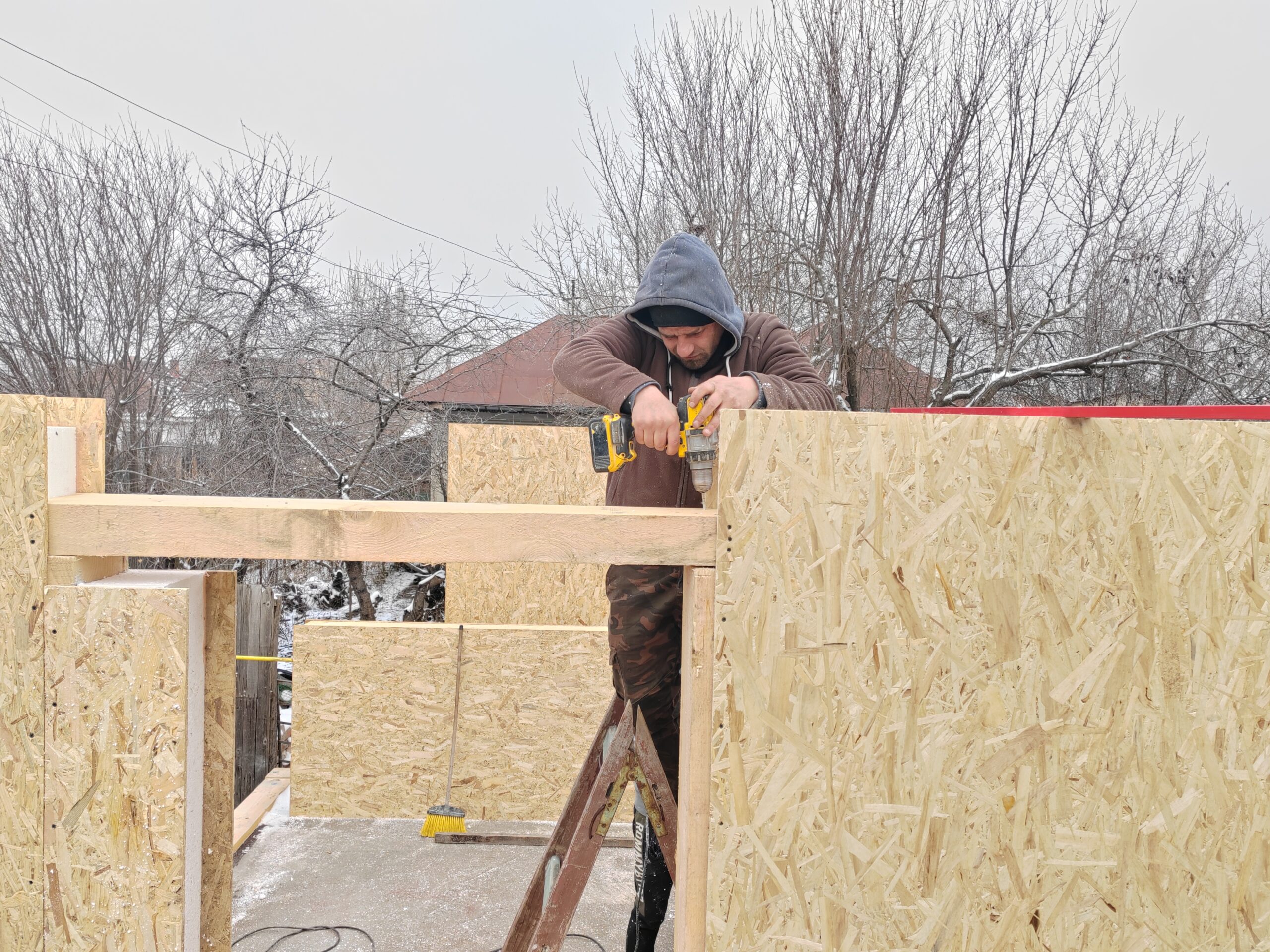
The SIP industry hopes to make your design role easier and more efficient. The following documents were created specifically for design professionals by the manufacturer members of the Structural Insulated Panel Association (SIPA). They highlight important considerations during the design phase of a structural insulated panel (SIP) structure.
Decades of combined knowledge from SIPA manufacturers will help shorten the learning curve and unlock the exceptional qualities of SIPs to achieve the high-performance results homeowners expect when building with SIPs. The content provides a common industry platform for SIP design.
Designing with SIPs: DESIGN CONSIDERATIONS
Click here to download DESIGN CONSIDERATIONS with key points and checklists for the ten most important considerations when designing a SIP building.
SIP Design Tips
Structural capacity – Consult the manufacturer's load tables for load capacity based on SIP height/length and thickness. Enjoy open spaces, since SIP roofs offer the ability to span long distances. SIP roofs can cantilever past walls to provide overhangs. SIPs can act as their own header, minimizing costs and maximizing thermal performance.
HVAC – Keep all HVAC equipment and ductwork inside the conditioned SIP envelope. The airtight SIP envelope typically reduces the load and allows for smaller HVAC equipment. Verify proper equipment sizing with an energy model using ASHRAE Manual J or REM/Rate or Ekotrope design software. Consider specifying a heat recovery ventilator (HRV) or an energy recovery ventilator (ERV), as referenced in ASHRAE 62.2 guidelines, for balanced fresh air.
Electrical – Vertical and horizontal electrical chases are usually supplied by the SIP manufacturer. Plan ahead for special routing locations. Surface-mounted LED lights should be used instead of recessed lighting.
Plumbing – Design within interior walls.
Cladding – Because SIPs use very little solid lumber, a wider fastening schedule may be required when attaching exterior cladding. In some climate zones, a rear-ventilated assembly may be appropriate.