Exterior insulation is an essential step in ensuring thermal comfort, energy efficiency, and durability for a home. If you have a house built from SIP panels (Structural Insulated Panels), you already have a significant advantage: the material is known for excellent thermal insulation and a durable structure. However, well-executed exterior insulation can maximize these benefits. In this article, we'll explore everything you need to know about exterior insulation for SIP panel homes.
What are SIP panels and why are they efficient?
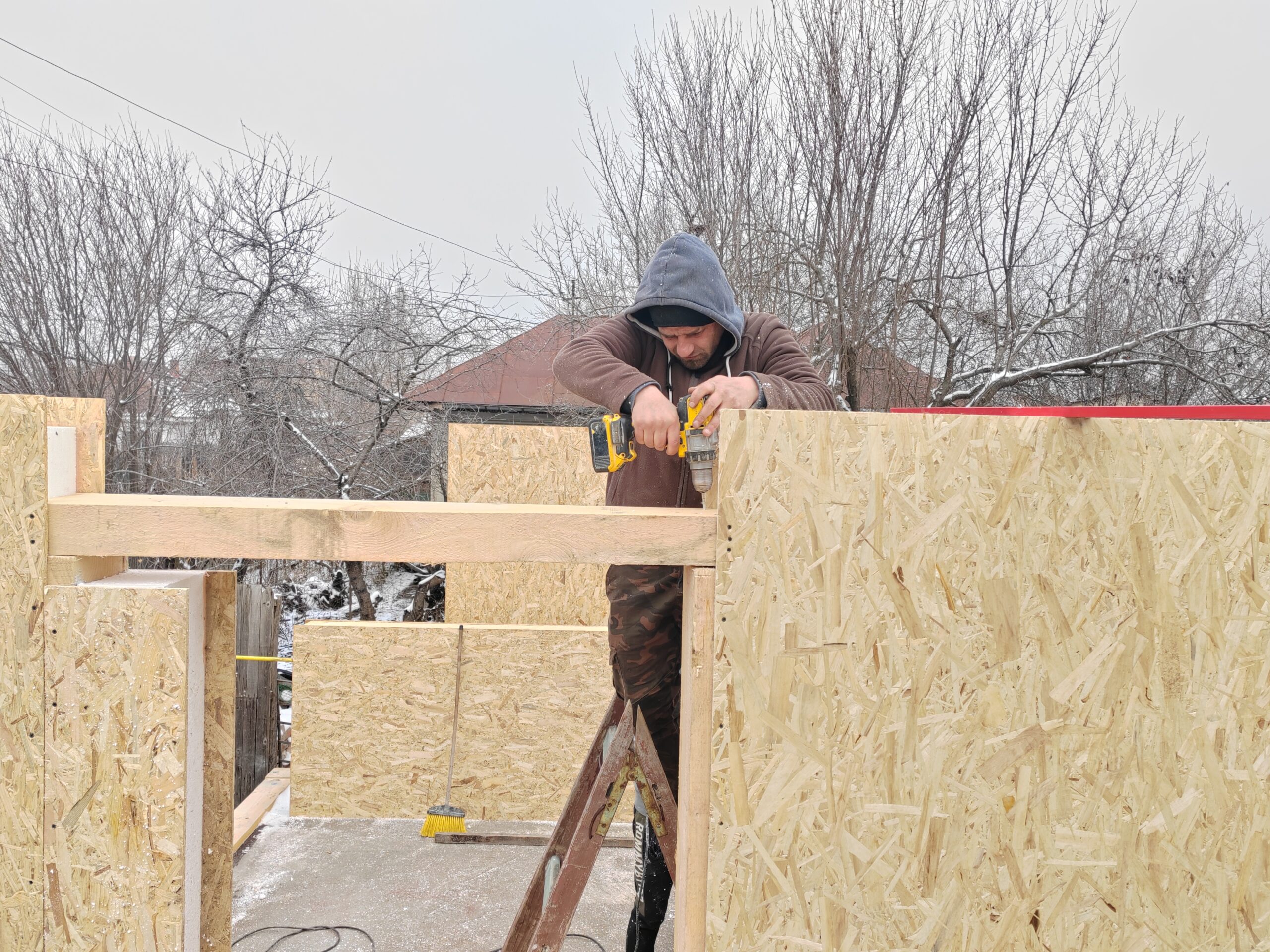
SIP panels are modern building materials made of an insulating layer (usually polyurethane foam or polystyrene) sandwiched between two OSB (Oriented Strand Board) boards. They offer:
- Excellent thermal insulation: They reduce heat loss, keeping the house warm in winter and cool in summer.
- Structural strength: Ideal for solid, fast construction.
- Energy efficiency: They help lower heating and cooling costs.
While SIP panels provide excellent basic insulation, exterior insulation can add extra efficiency and protection.
If you're interested in details about building a house from SIP panels, check out the dedicated page for SIP panel house kits.
Why is exterior insulation necessary for a SIP panel house?
Although SIPs are efficient, exterior insulation:
- Prevents thermal bridges: These can occur at panel joints or in vulnerable areas.
- Protects the structure: Exterior insulation helps protect the SIP panels from moisture, temperature changes, and weather conditions.
- Increases energy efficiency: By adding an extra layer of insulation, the house will consume even less energy.
To quickly estimate how much the insulation or the entire build might cost, try our price calculator.
Recommended materials for exterior insulation
1. Expanded polystyrene (EPS)

- Advantages: Affordable price, lightweight, easy to install.
- Performance: Insulates well and is ideal for decorative plaster finishes.
2. Basalt mineral wool
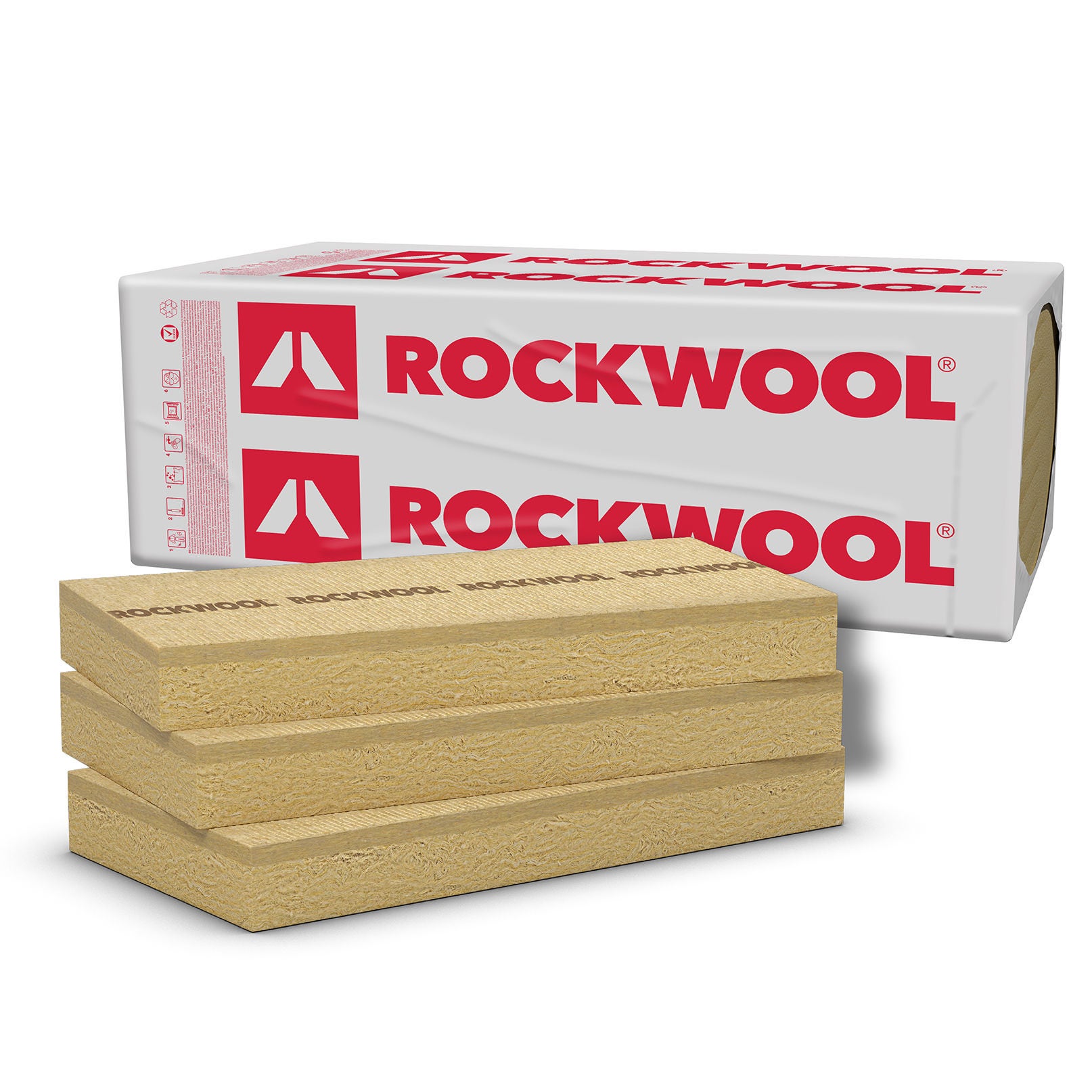
- Advantages: Excellent fire resistance and sound insulation.
- Performance: Suitable for those who prioritize safety and comfort.
3. Polyurethane (PUR) boards
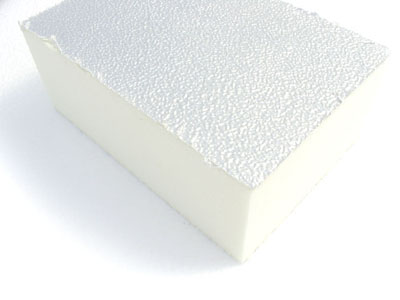
- Advantages: Very low thermal conductivity, reduced thickness.
- Performance: Perfect for a thin yet highly efficient layer.
Essential steps for exterior insulation of a SIP panel house
1. Assessing the existing structure
Make sure the SIP panels are in good condition, with no signs of damage or water infiltration.
2. Choosing the insulation system
Select the right material based on budget, efficiency requirements, and climate conditions.
3. Installing the insulation

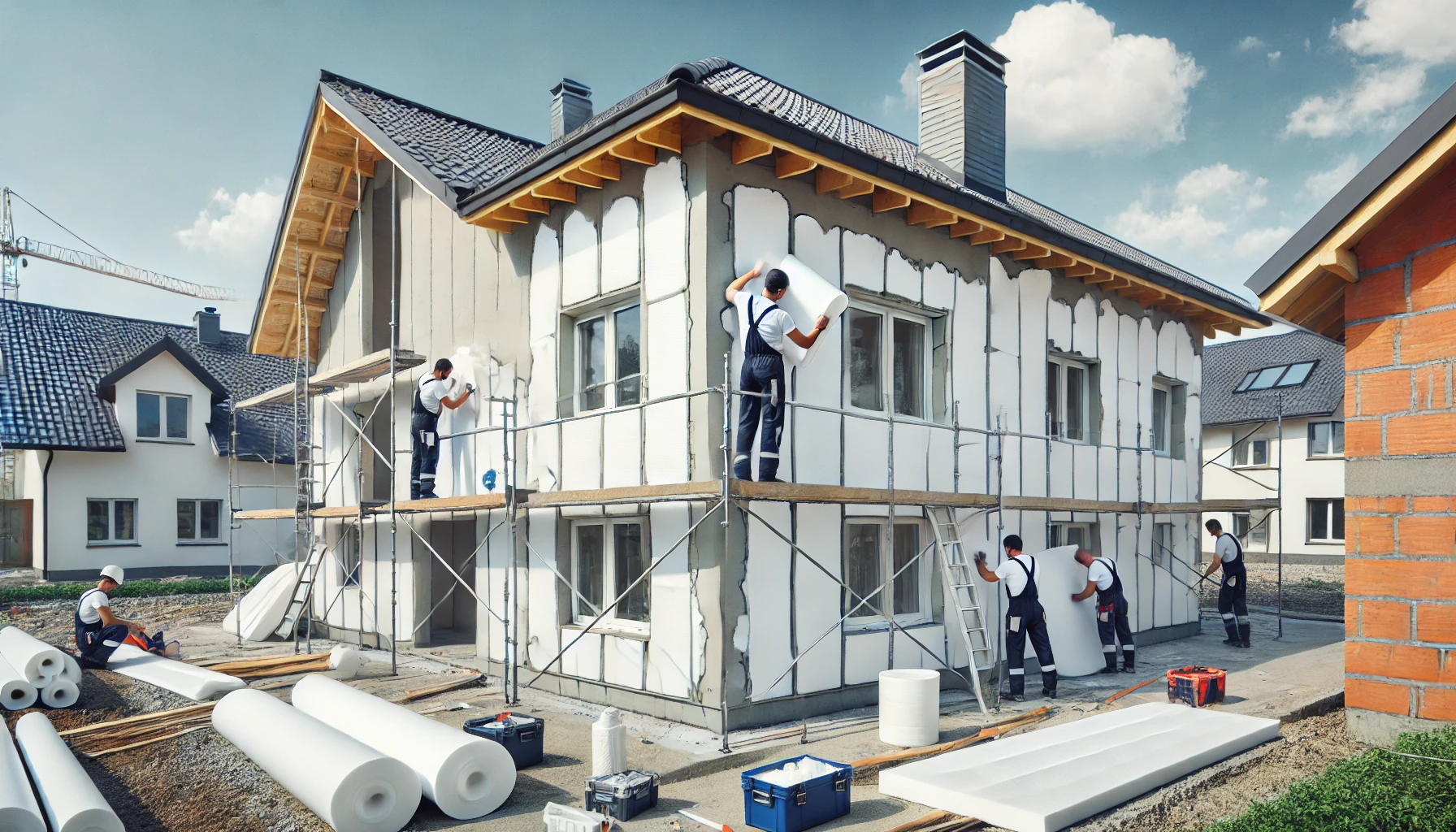
- Fixing the insulation material: The polystyrene or mineral wool is fixed to the wall with special adhesive and dowels.
- Applying a reinforcing layer: Use a fiberglass mesh and a layer of plaster for extra protection.
- Finishing: Decorative plaster or ceramic cladding provides both aesthetics and protection.
4. Sealing critical areas
Pay close attention to corners, joints, and windows, making sure there are no gaps through which heat could escape.
Benefits of exterior insulation for a SIP panel house
- Increased comfort: The indoor temperature will remain steady and pleasant throughout the year.
- Reduced costs: Heating and cooling bills will drop significantly.
- Durability: The SIP panels will be protected against wear caused by external factors.
- Increased value: A well-insulated house is more attractive to potential buyers.
Conclusion
Exterior insulation for a SIP panel house is an investment worth every penny. Choosing the right materials and following the installation steps will maximize the long-term benefits.
For more information about SIP panels and their composition, check out our guide to SIP panels.
Also, if you'd like a quick cost estimate, use the price calculator available on our website.
At Bucovina SIP, we're here to help you build durably and efficiently!